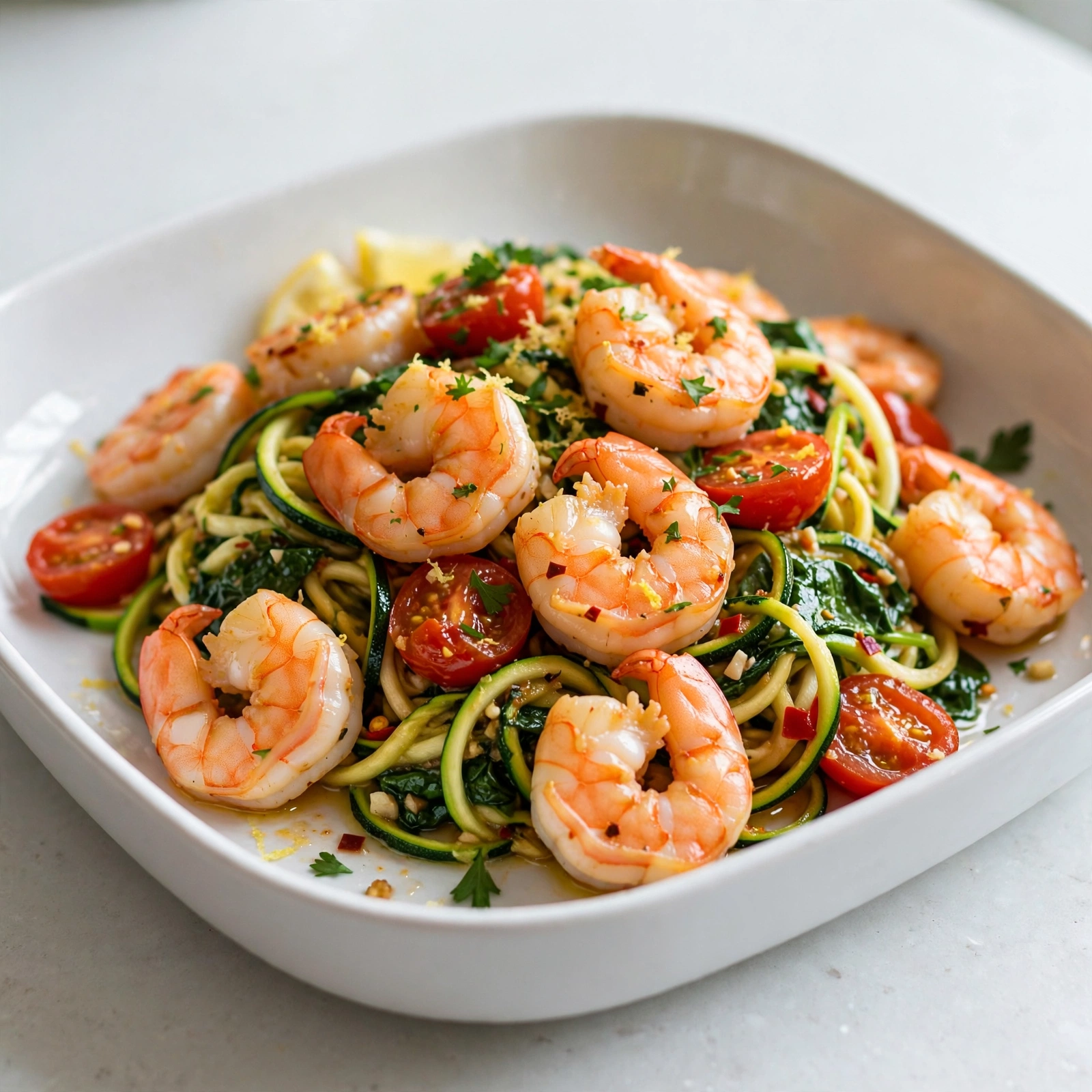
Healthy Shrimp Scampi
This healthy shrimp scampi swaps heavy butter for olive oil and whole wheat pasta, delivering all the garlicky, lemony flavor you love in a lighter, heart healthy dinner ready in 25 minutes.
A Lighter Take on a Classic Favorite
If you love the buttery, garlicky comfort of traditional shrimp scampi but want something that fits into a heart healthy routine, this recipe was made for you. It keeps everything you crave, plump shrimp, bright lemon, plenty of garlic, and a silky sauce, while trading heavy butter for good olive oil and swapping in whole wheat pasta for extra fiber. The result is a healthy shrimp scampi dinner that tastes indulgent but leaves you feeling good afterward.
This is one of those healthy shrimp recipes that proves lighter cooking does not mean sacrificing flavor. In fact, once you taste how the lemon and garlic cling to every strand of pasta, you may find yourself reaching for this dish more often than the classic version.
Before we get cooking, the right tools and ingredients make a real difference here. A good quality extra virgin olive oil, a sharp microplane for zesting, and a wide skillet that lets the shrimp cook in a single layer will all help this dish come together beautifully. These are the products that genuinely help this recipe shine:
Why This Shrimp Scampi Recipe Is Healthy
Most traditional scampi recipes lean heavily on butter, sometimes a full stick or more, along with refined white pasta. This version keeps things lighter without feeling like a compromise:
- Olive oil instead of butter cuts back on saturated fat while still delivering richness
- Whole wheat pasta adds fiber that keeps you fuller longer
- Shrimp is naturally lean and packed with protein, making this one of the better heart healthy pasta recipes you can put together on a weeknight
- Low sodium broth replaces some of the fat typically used to build the sauce, without skimping on flavor
Chef's Tip: Do not skip patting the shrimp dry before cooking. Excess moisture is the number one reason shrimp steams instead of sears, and a good sear is where a lot of the flavor in this dish comes from.
Tips for the Best Light Shrimp Pasta
A few small details separate an average scampi from a great one. First, cook your shrimp just until they turn pink and curl into a loose C shape. Overcooked shrimp turn rubbery fast, so pull them from the heat a touch early since they will keep cooking slightly as they rest.
Second, save that pasta water. The starchy liquid is what helps the sauce cling to the noodles instead of pooling at the bottom of the plate. A splash goes a long way toward pulling everything together into a cohesive, glossy sauce.
Third, fresh lemon juice and zest are non negotiable here. Bottled lemon juice simply does not have the same brightness, and since lemon is doing a lot of the flavor work in place of extra butter, it is worth using the real thing.
Ready to make it? Here is the full step-by-step recipe:
Healthy Shrimp Scampi
This healthy shrimp scampi swaps heavy butter for olive oil and whole wheat pasta, delivering all the garlicky, lemony flavor you love in a lighter, heart healthy dinner ready in 25 minutes.
Ingredients
- 8 oz whole wheat spaghetti, or use zucchini noodles for a lower carb option
- 1 lb large shrimp, peeled and deveined, tails removed
- 3 tbsp extra virgin olive oil, divided
- 5 garlic cloves, minced
- 1/2 tsp red pepper flakes, adjust to taste
- 1/2 cup low sodium chicken broth
- 3 tbsp fresh lemon juice, about 1 large lemon
- 1 tsp lemon zest, from the same lemon
- 1/4 cup fresh parsley, chopped, plus more for garnish
- 1/2 tsp salt, or to taste
- 1/4 tsp black pepper, freshly cracked
- 2 tbsp grated parmesan cheese, optional, for serving
Instruction
Bring a large pot of salted water to a boil. Cook the whole wheat spaghetti according to package directions until al dente. Reserve 1/2 cup of pasta water, then drain.
While the pasta cooks, pat the shrimp dry with paper towels and season lightly with salt and pepper.
Heat 2 tablespoons of olive oil in a large skillet over medium high heat. Add the shrimp in a single layer and cook for 1 to 2 minutes per side, until pink and opaque. Remove shrimp to a plate.
Lower the heat to medium and add the remaining 1 tablespoon of olive oil to the same skillet. Add the garlic and red pepper flakes and saute for 30 to 45 seconds until fragrant, being careful not to burn the garlic.
Pour in the chicken broth and lemon juice, scraping up any browned bits from the bottom of the pan. Simmer for 2 to 3 minutes until slightly reduced.
Return the shrimp to the skillet along with the cooked pasta. Toss well, adding a splash of reserved pasta water if the sauce needs loosening.
Stir in the lemon zest, parsley, salt, and black pepper. Taste and adjust seasoning as needed.
Divide among plates, top with parmesan if using, and serve immediately with extra parsley and lemon wedges.
Equipment
- Large pot
- Large skillet
- Tongs
- Colander
- Microplane or zester
Notes
Serving Suggestions and Variations
This low calorie shrimp dinner pairs beautifully with a simple side salad, steamed green beans, or roasted asparagus if you want to round things out with extra vegetables. A slice of crusty whole grain bread is also nice for soaking up any leftover sauce, though it is entirely optional if you are watching carbs closely.
If you want to switch things up, try these variations:
- Add a handful of cherry tomatoes for a burst of sweetness and color
- Stir in a few cups of baby spinach at the end for extra greens
- Use gluten free pasta if needed, following the same cooking method
- Add a pinch of smoked paprika for a subtle smoky note
Storage and Reheating
Shrimp scampi is best eaten fresh, but leftovers will keep in an airtight container in the fridge for up to 2 days. When reheating, use low heat and a splash of broth or water to loosen the sauce and prevent the shrimp from turning tough. Avoid the microwave if you can, since it tends to overcook shrimp quickly.
Whether you are looking for healthy shrimp recipes to add into a regular dinner rotation or just want a lighter spin on shrimp scampi for a special occasion, this dish delivers big flavor without the heaviness. It is proof that eating well and eating deliciously can absolutely happen at the same table.