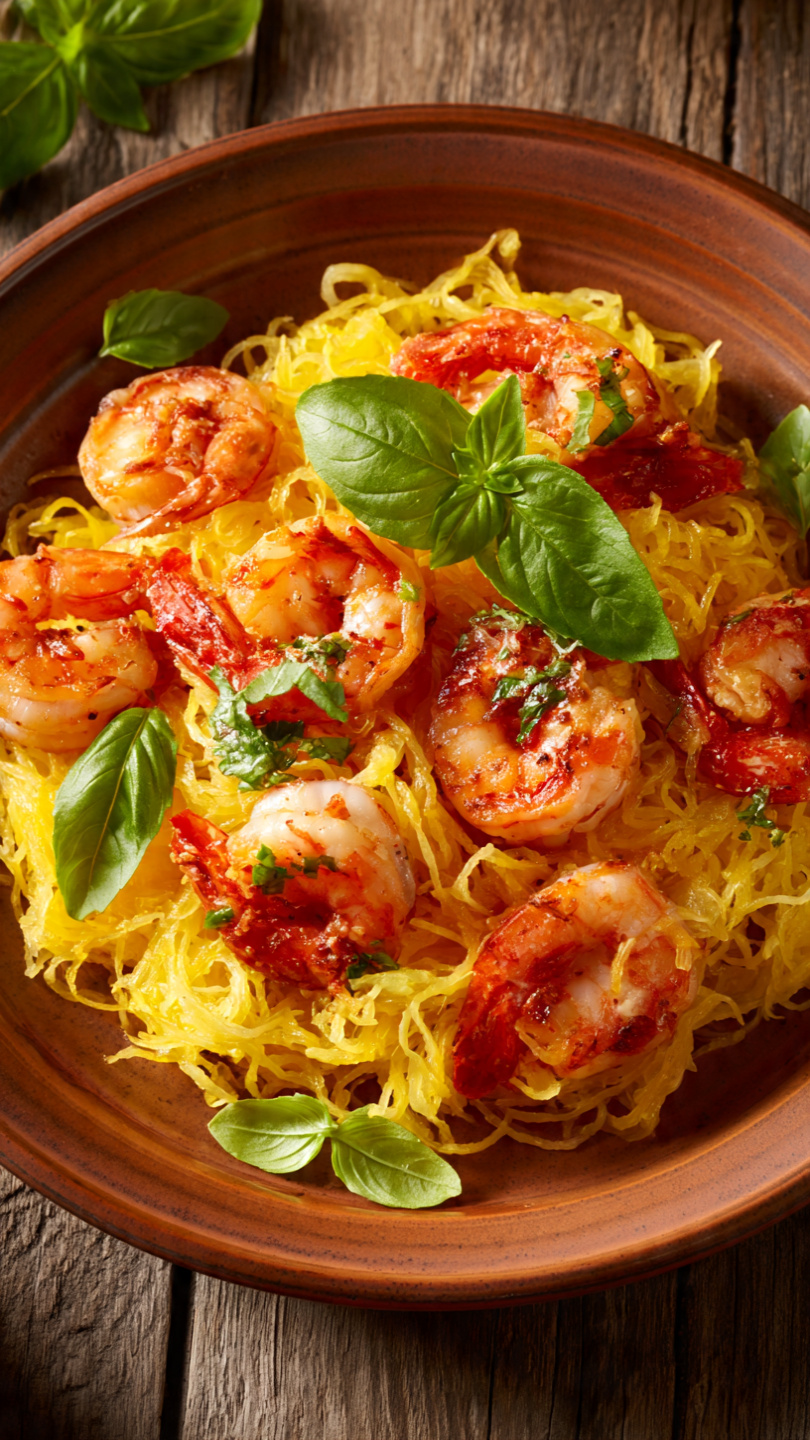
Shrimp Spaghetti Squash with Basil
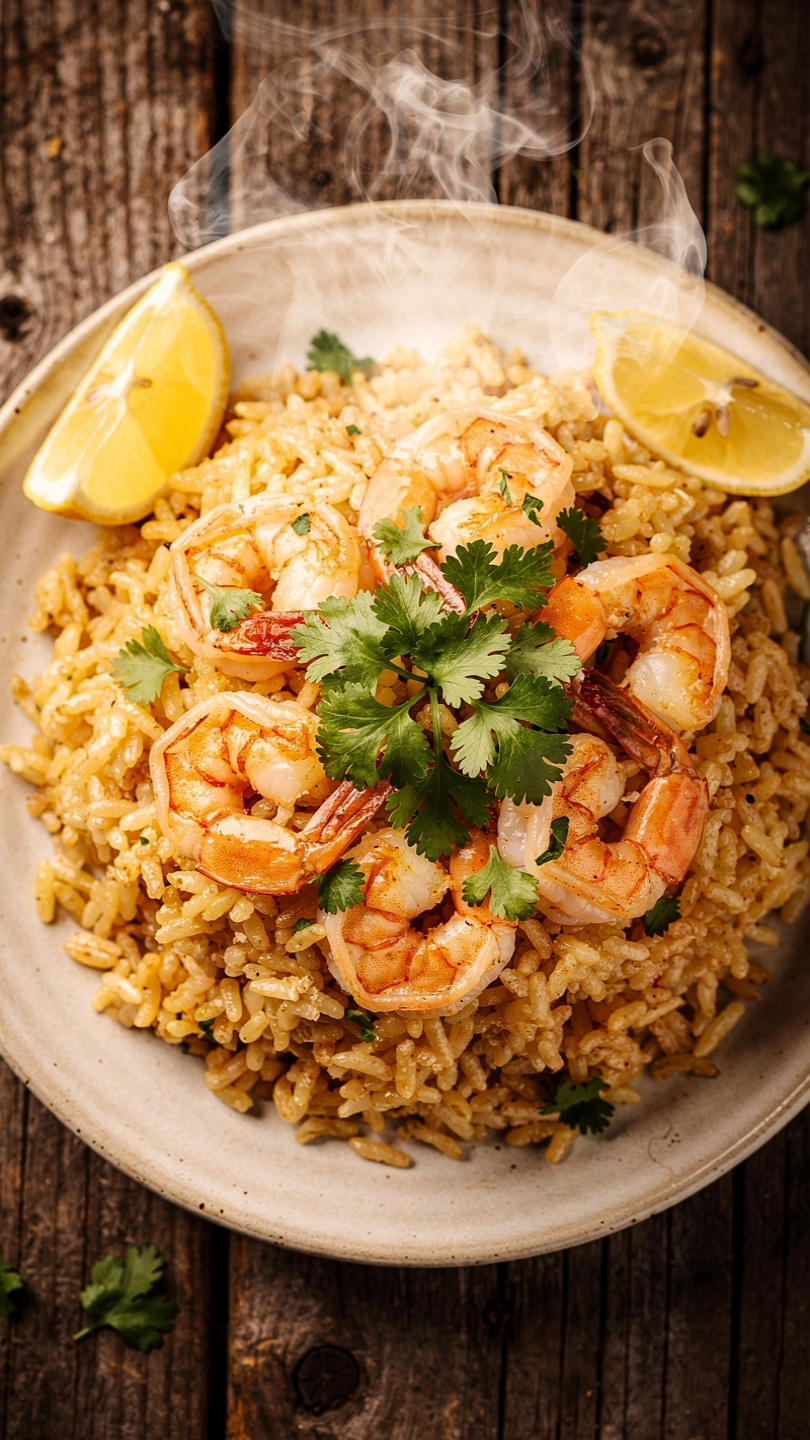
This garlic shrimp spaghetti squash with fresh basil is a light, low-carb dinner that comes together in under an hour. Tender shrimp, roasted squash strands, and bright herbs make every bite irresistible.
The Low-Carb Pasta Night You Have Been Waiting For
If you have ever found yourself craving a comforting, saucy pasta dish on a weeknight but wanted something a little lighter, this Shrimp Spaghetti Squash with Basil is exactly the recipe you need to bookmark. We are talking tender, golden-edged shrimp folded into buttery garlic sauce, piled high over wispy roasted squash strands, and finished with a generous handful of fresh basil. It is the kind of dinner that feels indulgent but leaves you feeling genuinely good afterward.
This is one of the best shrimp and spaghetti squash recipes you can make on a busy evening because the squash does most of the heavy lifting in the oven while you barely have to lift a finger. The stovetop portion takes under 15 minutes and comes together in a single skillet, which means less cleanup and more time at the table.
Why Spaghetti Squash Works So Well Here
Spaghetti squash is one of those genuinely magical vegetables. Once roasted and scraped with a fork, the flesh separates into long, delicate strands that mimic pasta surprisingly well. Unlike zucchini noodles, which can turn watery fast, spaghetti squash holds its structure beautifully in a skillet and soaks up sauce without losing its pleasant bite.
If you are wondering how to preserve spaghetti squash for future meals, here is the good news: a whole, uncut spaghetti squash will keep at room temperature in a cool, dry spot for up to three months. That means you can stock up whenever they are on sale and have one ready to go whenever the craving strikes. Once cooked, the strands keep in the refrigerator for up to three days, making this a genuinely meal-prep-friendly recipe.
Chef's Tip: The single biggest mistake people make with spaghetti squash is undercooking it. Roast it until a fork slides in with zero resistance. Properly cooked strands will be tender but still have a gentle chew, not mushy and not crunchy.
Before we get into the full recipe, it is worth noting that a wide, heavy skillet makes an enormous difference when cooking garlic shrimp spaghetti squash. A skillet with good heat distribution lets the shrimp develop a beautiful sear rather than steaming, and gives the sauce enough surface area to reduce properly. Using fresh basil rather than dried is equally important here, the fragrance it brings to the finished dish is impossible to replicate.
Building the Garlic Butter Sauce
The sauce in this recipe is simple, but every component earns its place. Here is what you are working with:
- Lots of garlic. Five cloves might seem like a lot, but the brief cooking time keeps the flavor punchy without being harsh.
- Cherry tomatoes. They burst in the pan and create little pockets of brightness and acidity that balance the richness of the butter beautifully.
- White wine. Just a quarter cup loosens the pan and lifts all those caramelized bits from the bottom. Use a wine you would actually drink. Chicken broth is a perfectly good substitute.
- Cold butter. Stirring in cold butter off the heat creates a glossy, restaurant-style sauce that clings to every strand of squash.
- Lemon zest and juice. This is the finishing touch that makes the whole dish sing. Do not skip it.
The combination gives you a sauce that is savory, garlicky, slightly sweet from the tomatoes, and bright enough to feel fresh even on a cold night.
Shrimp Tips for Perfect Results
Shrimp cook fast, which is both their greatest strength and their biggest pitfall. Overcooked shrimp go from plump and juicy to rubbery in under a minute. A few things that will guarantee perfect results every time:
- Dry your shrimp thoroughly. Pat them with paper towels before they go into the pan. Wet shrimp steam instead of sear.
- Use medium-high heat. You want the pan hot enough to develop color quickly.
- Cook in a single layer. Crowding the pan drops the temperature and prevents browning.
- Pull them early. The shrimp will finish cooking when you fold them back into the warm sauce. Look for them to just turn pink and opaque.
This garlic shrimp spaghetti squash is also wonderfully flexible. You can use frozen shrimp that have been fully thawed and dried, and the results are nearly identical to fresh.
Ready to Make It?
Whether you are exploring shrimp and spaghetti squash recipes for the first time or this is already a weeknight staple in your house, this version with basil and lemon butter is going to become a regular. It is naturally gluten-free, a brilliant keto shrimp with spaghetti squash option, and genuinely satisfying enough to please anyone at the table, low-carb or not.
Here is everything you need to bring it all together:
Shrimp Spaghetti Squash with Basil
This garlic shrimp spaghetti squash with fresh basil is a light, low-carb dinner that comes together in under an hour. Tender shrimp, roasted squash strands, and bright herbs make every bite irresistible.
Ingredients
- 1 spaghetti squash, about 3 lbs, halved lengthwise and seeds removed
- 1 1/4 lbs large shrimp, peeled, deveined, tails removed
- 3 tbsp olive oil, divided, extra virgin
- 5 garlic cloves, minced
- 1 cup cherry tomatoes, halved
- 1/4 cup dry white wine, or chicken broth as a substitute
- 2 tbsp unsalted butter, cold
- 1/2 cup fresh basil leaves, loosely packed, torn or chiffonade
- 1/2 tsp red pepper flakes, adjust to taste
- 1 lemon, zested and juiced
- 1 tsp salt, divided, or to taste
- 1/2 tsp black pepper, freshly ground
- 1/4 cup grated Parmesan cheese, optional, for serving
Instruction
Preheat the oven to 400 degrees F (200 degrees C). Line a large baking sheet with parchment paper.
Brush the cut sides of the spaghetti squash with 1 tablespoon of olive oil and season with 0.5 teaspoon of salt and a few grinds of black pepper. Place cut-side down on the prepared baking sheet.
Roast for 35 to 40 minutes, until the squash is easily pierced with a fork and the strands pull away cleanly. Remove from the oven and let cool for 5 minutes.
Use a fork to scrape the squash flesh into long spaghetti-like strands. Discard the skins or reserve for serving. Set the strands aside.
Pat the shrimp completely dry with paper towels and season with the remaining 0.5 teaspoon of salt and black pepper.
Heat the remaining 2 tablespoons of olive oil in a large skillet over medium-high heat. Add the shrimp in a single layer and cook for 1 to 2 minutes per side until pink and just cooked through. Transfer to a plate and set aside.
Reduce the heat to medium. In the same skillet, add the minced garlic and red pepper flakes and cook, stirring constantly, for 30 seconds until fragrant.
Add the cherry tomatoes and cook for 2 to 3 minutes, pressing them gently with a spoon until they begin to burst and release their juices.
Pour in the white wine and cook for 1 to 2 minutes, scraping up any browned bits from the bottom of the pan, until the liquid reduces by half.
Add the cold butter and stir until melted and the sauce is glossy. Stir in the lemon juice and lemon zest.
Add the spaghetti squash strands to the skillet and toss gently to coat everything in the sauce. Fold the cooked shrimp back in and heat for 1 minute.
Remove from heat and fold in the fresh basil. Taste and adjust seasoning. Serve immediately, topped with grated Parmesan if desired.
Equipment
- Large baking sheet
- Parchment paper
- Fork
- Large skillet or saute pan
- Sharp chef's knife
- Cutting board
- Paper towels
- Citrus zester or microplane
Notes
Serving, Storing, and Variations
To serve: This dish is wonderful on its own, but a light dusting of grated Parmesan over the top adds a savory, nutty finish that ties everything together. A simple arugula salad dressed with lemon and olive oil makes a perfect side.
To store: Leftovers keep in an airtight container in the refrigerator for up to 3 days. Reheat gently in a skillet with a splash of broth or water, and warm the shrimp just until heated through.
Variations to try:
- Swap the shrimp for scallops or chunks of salmon for a different take on spaghetti squash with shrimp recipes.
- Add a handful of baby spinach or arugula right at the end for extra greens.
- For a spicier version, double the red pepper flakes and add a pinch of smoked paprika to the shrimp before cooking.
- Stir in a spoonful of capers along with the tomatoes for a briny, Mediterranean twist.
However you make it, shrimp spaghetti squash with basil is proof that eating well does not have to feel like a compromise.